


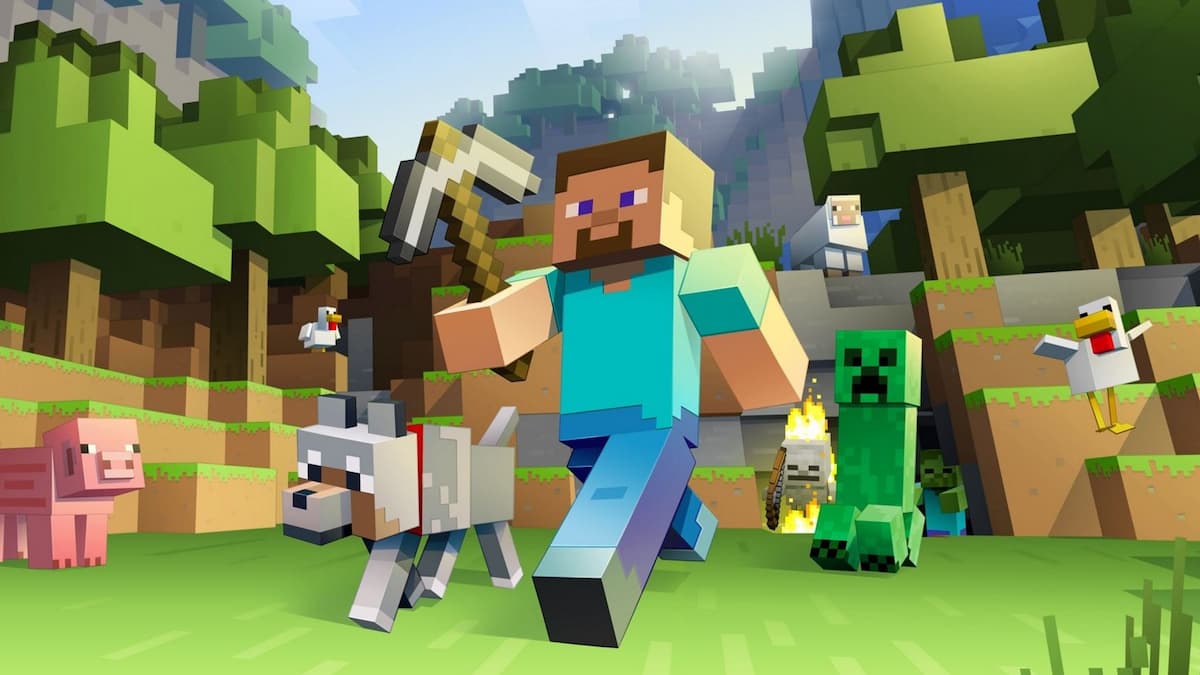
If you have spent any time looking for a new world to call home, you have probably seen the letters SMP everywhere. I remember the first time I saw the term on a server list and felt a bit out of the loop. It actually stands for Survival Multiplayer. While that sounds a bit redundant since almost every server is about surviving together, the community uses this label to describe a very specific way of playing.
In my experience, an SMP is the purest form of the game. It is not a mini-game hub where you play ten minute rounds of Spleef. Instead, it is a long term commitment where I build a base, trade with neighbors, and work toward late game goals like defeating the Ender Dragon with a group of friends.
The cultural history of the SMP
To really understand what makes these servers tick, I like to look at how they evolved. We have moved far beyond just a few friends sharing a world.
- The Foundational Era: Back in 2010, a creator named Guude started the Mindcrack server. This was the first time I saw people treat an SMP like a professional series. It gave us the concept of server seasons and the idea that technical skill could be a form of entertainment.
- The Technical Gold Standard: If you want to see what happens when the best builders and redstone geniuses get together, look at Hermitcraft. I have learned so much about game automation from watching them. They use a totally free market system where diamonds are the currency, which keeps things stable and fair.
- The Narrative Revolution: More recently, the Dream SMP showed me that Minecraft can be a stage for storytelling. They used scripted political drama and factions to keep hundreds of thousands of people watching. It proved that the value of a server is not just in the blocks, but in the stories we tell.
Understanding server performance and the magic of 20 TPS
Nothing ruins my day faster than server lag. When I started running my own worlds, I had to learn the math behind why things feel slow. Minecraft runs on a loop called a tick. The goal for every server I have ever played on is a steady 20 Ticks Per Second (TPS).
This means the game world updates every 50 milliseconds. We measure the health of the loop using Milliseconds Per Tick (MSPT). If my server takes longer than 50ms to process everything happening, the TPS drops and the lag starts. The relationship looks like this:
TPS = min (20, 1000/MSPT)
When I see a high sleep percentage in my performance logs, I know the server is healthy. If the sleep percentage drops below 5%, it means the CPU is maxed out and players are going to start complaining about blocks not breaking or mobs freezing.
How the 1.21 update changed our world layout
The Tricky Trials update was a massive shift for how I manage my server. One of the biggest technical changes involved spawn chunks. These are the chunks at the center of the world that stay loaded in memory even when no one is there.
- In previous versions, the spawn chunks were huge, covering a 19 by 19 area.
- Starting in version 1.21, the default radius was slashed to just 2, creating a tiny 3 by 3 area.
- This was a 98% reduction in the memory footprint, which made my server start up way faster.
I found out the hard way that this change breaks old mob switches or iron farms that relied on those chunks staying active. If I want to fix this, I have to use the new gamerule: /gamerule spawnChunkRadius <value>. Setting it to 10 brings back the old behavior, but I usually keep it low to save on performance.
The math of mob spawning and the heightmap trick
If you have ever wondered why pro players build their mob farms at the very bottom of the world, it is all about the heightmap. I used to build my farms high up in the sky to avoid lighting up caves, but that is actually less efficient.
The game picks a random block to try and spawn a mob between the bottom of the world (Y = -64) and the highest block in that column (H). The probability of a successful spawn on my platform is:
P(y) = 1/H – (-64) + 1
By building at the bottom and removing every block above my farm, I make H as small as possible. This forces the game to pick my spawning floors more often, which is how I get those insane item rates you see in technical guides.
Why the Diamond Standard beats digital money
When I join a new SMP, I always look at the economy first. Some servers use plugins that give you a digital balance, but I find that usually leads to hyperinflation.
- Commodity Currency: On servers like Hermitcraft, diamonds are the money. They have value because I can actually use them to make gear.
- The Labor Theory: Because diamonds require manual mining or labor to find, the money supply is naturally limited.
- Economic Sinks: To keep an economy healthy, the server needs ways to remove money. I have seen great success with things like a 5% tax on player shops or charging diamonds to use fast travel commands like /spawn.
The industrial revolution of the Crafter
The introduction of the Crafter block in 1.21 changed my gameplay loop forever. It allows for automated crafting using redstone pulses. This has shifted the economy on my server from selling raw materials to selling finished products.
I use Crafters to automatically turn the iron nuggets from my farm into iron blocks. This increases my storage density by 9 times and saves me hours of clicking in a crafting table. If you are interested in more professional tips, you should check out what Minecraft Preview is to see how these blocks are tested before they hit the main game.
Managing your server with the 1.21.9 Protocol
If you are thinking about starting your own SMP, the version 1.21.9 update added something incredible: the Minecraft Server Management Protocol. It is a new way to control your server using an API.
Instead of needing to be in the game, I can use a remote dashboard to manage my whitelist or change gamerules in real time. It uses a secure token system, which you can set in your server.properties file. It even supports a Code of Conduct screen that players have to accept before they can join the fun.
How to find and join a great SMP
Finding the right community is the most important part. I usually start by looking at server list websites to find a style that fits me.
- Vanilla: This is the game exactly as Mojang made it.
- Anarchy: No rules, no admins, and a lot of chaos. I only recommend this if you have thick skin!
- Factions: This is where you join a team and fight for territory. You can learn how to use emotes to communicate with your teammates or taunt your rivals.
Once I have an IP address, I just go to the Multiplayer menu, add the server, and paste in the link. It is that simple to start your own adventure in an SMP world.








Updated: Apr 3, 2026 01:40 pm