



Video Game Series Reboots That Failed
DmC: Devil May Cry
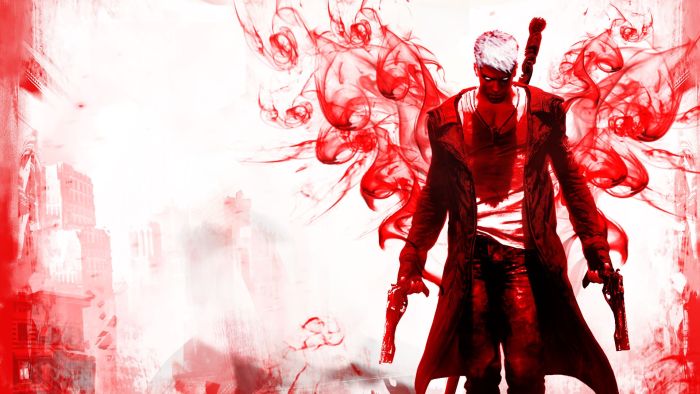
Though the Devil May Cry Series has now returned to its original line of games with Devil May Cry 5, the series was once set to go in a completely different direction via DMC: Devil May Cry.
Rebooted with a punk/grunge aesthetic courtesy of developer Ninja Theory, the series saw its lore, characters, art style and music completely revamped in preparation of being taken in a completely new direction, along with some minor tweaks made to the core gameplay.
It was a bold move, but one both Ninja Theory and the series’ owner Capcom thought would be well received.
Unfortunately, the response ended up being far more mixed. While critics and fans alike lauded DMC for its fluid gameplay, the new style that permeated the series put old fans off while failing to attract a wider audience.
The edgier take on Dante, as well as the flat take on Virgil and other villains’ characteristics, also didn’t help matters, angering older fans and annoying most new ones that tried to give it a shot.
This got slightly better with some minor tweaks made to a later port of the game, but overall the title remains the black sheep of the series proper.
Video Game Series Reboots That Failed
Prince of Persia (2008)
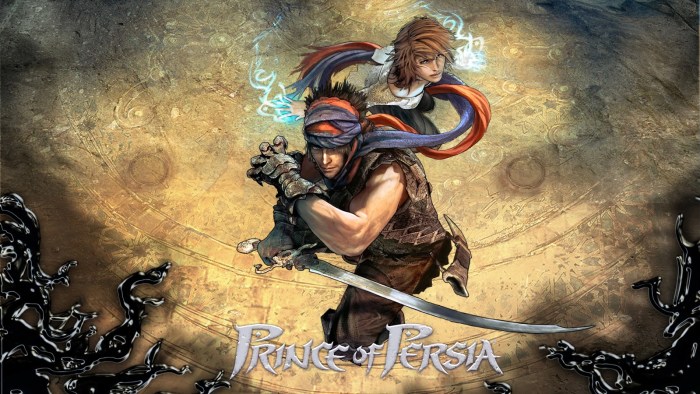
Following a string of darker, more action-oriented Prince of Persia games during the PlayStation 2 era, the 2008 series reboot was intended to bring the core staples of the series into the next generation.
Host to a wide world full of puzzles to solve, enemies to take on and platforming challenges that utilized creative thinking, it was meant to simultaneously celebrate what had come before while showing how it could be brought into the future.
Leading up to the game’s release, it looked like it would succeed too. Buzz around the title was positive, and in addition to the gameplay, critics sang praises of its music and art style.
Sadly, this early praise and anticipation couldn’t sustain the entry’s success past its release.
While many still loved the art style and soundtrack, the combat and platforming were criticized as being too automated. Players could get through the game with minimal input, and as such spent most of their time watching the action unfold.
The game also released at the tail end of a year full of high profile releases, many of which intersected with the audience Prince of Persia was looking to capture.
Mixed with the already dwindling popularity of the Prince of Persia series, these elements led many gamers to pass over the title, leaving it to be seen as an unfortunate failed attempt to revive a flagging franchise.
Video Game Series Reboots That Failed
Bionic Commando
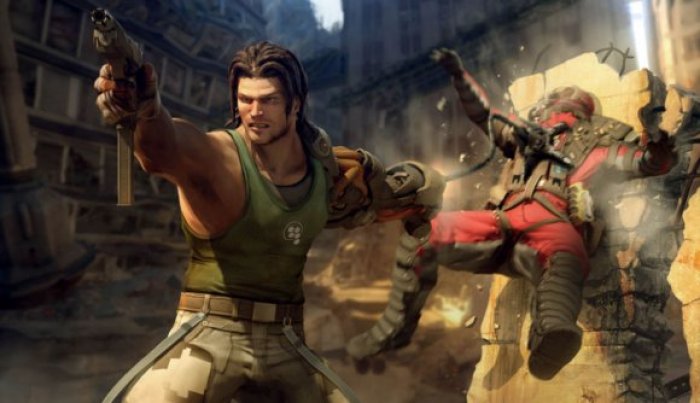
Not every old video game franchise was meant to endure the test of time, let alone be fleshed out with modern gameplay conventions and attempts at storytelling. Capcom’s Bionic Commando is a shining example of this.
In addition to transitioning the 2D platformer series toward their person action, the 2009 reboot also tried to lend more depth and lore to the series’ universe by giving the game’s protagonist a back story and a new threat to defeat.
While this all may sound fine on paper, it didn’t exactly translate well. The once creative gameplay became generic and indistinguishable among the deluge of other third person action titles on the market.
Likewise, the game’s new story elements whiffed hard, with ideas like the protagonist’s bionic arm containing the soul of his dead wife coming off as ridiculous at best and downright stupid at worst.
Because of this, the game failed to find an audience upon release. Older fans of the series didn’t want it, while potential new fans passed over it for the more fleshed out and coherent games available at the time.
It wasn’t long before Capcom moved on from the series altogether, leaving this title as a maligned take on an otherwise well-regarded series.
Video Game Series Reboots That Failed
Bomberman: Act Zero
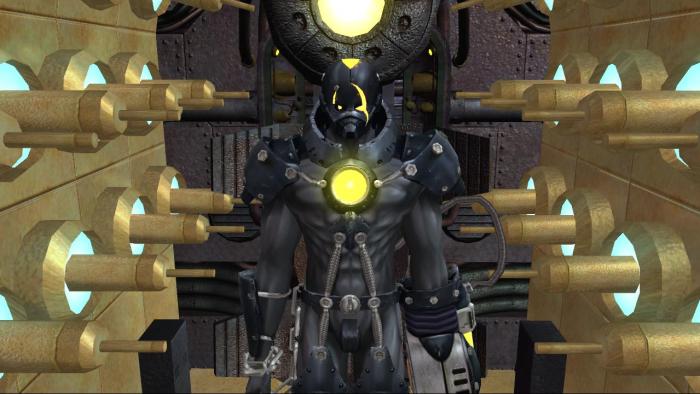
In hindsight, applying an ungodly amount of edge and grittiness to the otherwise cheery Bomberman franchise wasn’t the best idea in the world.
And yet, back in 2006, that’s exactly what developer Hudson Soft unleashed upon the world with Bomberman: Act Zero.
Meant to take fans into the harder, edgier phase of gaming culture that had caught on, it reveled in its darker atmosphere, more realistic characters and a cyberpunk aesthetic that was intended to represent the series moving forward.
Unfortunately, this only stood to put off fans that had grown up with the series. No one wanted a grittier design to the game, and when they laid eyes on it, most were immediately put off from even touching the poorly thought out reboot.
Those that did give it a chance weren’t rewarded for their open-mindedness either, treated to a title with shoddy gameplay, a forgettable soundtrack and load times that bring any fun you could have with the game to a screeching halt.
As a result, this take on the series was unceremoniously shelved, with the series returning to its more traditional design in the following years.
Video Game Series Reboots That Failed
Sonic the Hedgehog (2006)
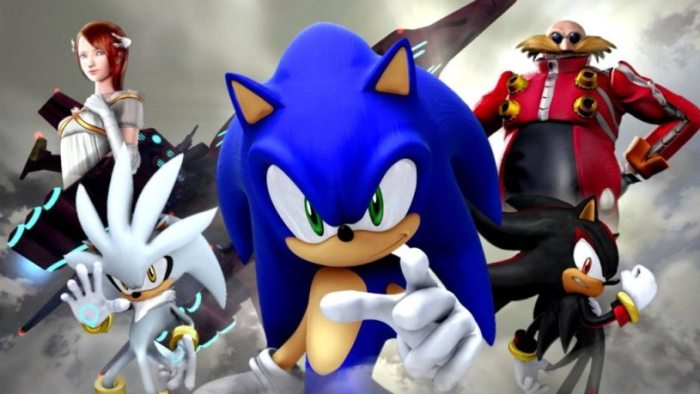
It may go forgotten amidst the slurry of other failures Sonic the Hedgehog 2006 is known for, but one of the game’s broader reaching failures was not taking the series in a new direction like it was intended to.
A soft reboot meant to usher in a new age of 3D Sonic games, Sonic 2006 was initially touted as a title that would fully utilize the series’ trademark speedy gameplay while also presenting it in stunning next-gen graphics.
As such, fans new and old were excited to see for themselves just what the next generation of Sonic games had in store.
Unfortunately, it ended up being a disastrous – and accurate – portrayal of what was to come.
Host to everything from game breaking bugs and glitches, terribly programmed mechanics and unintuitive gameplay to downright nonsensical story and character writing, it was almost immediately panned by the gaming community at large.
It wasn’t long before Sega tried to distance themselves from the disaster, putting a renewed focus on 2D Sonic games for several years afterward, leaving Sonic 2006 to become an infamous relic of the terrible fate that was intended for the iconic series.







Updated: Mar 6, 2019 02:03 pm