


I have spent a massive amount of time wandering through the fog of this franchise, and if there is one thing I have learned, it is that the movie timeline is just as twisted as the games. Whether you are a newcomer who just finished the recent games or a veteran who remembers the original PlayStation launch, figuring out the right way to watch these can be a headache.
I have put together this guide to help you navigate the cinematic Otherworld. I am also including some deep-dive data on the economics and tech that you usually will not find in a standard list.
How to Watch the Silent Hill Movies in Order
The most common way to watch these is by release date, which luckily aligns mostly with the narrative flow until you hit the recent reboot. Here is the order I recommend for your first marathon.
- Silent Hill (2006)
- Silent Hill: Revelation (2012)
- Return to Silent Hill (2026)
If you are looking for a chronological story experience, I should point out that Return to Silent Hill acts as a reboot rather than a sequel. It adapts the story of James Sunderland from the second game, so you can actually watch it as a standalone experience. However, I think watching the 2006 original first helps you appreciate how the visual style has evolved over the last twenty years.
Silent Hill (2006)
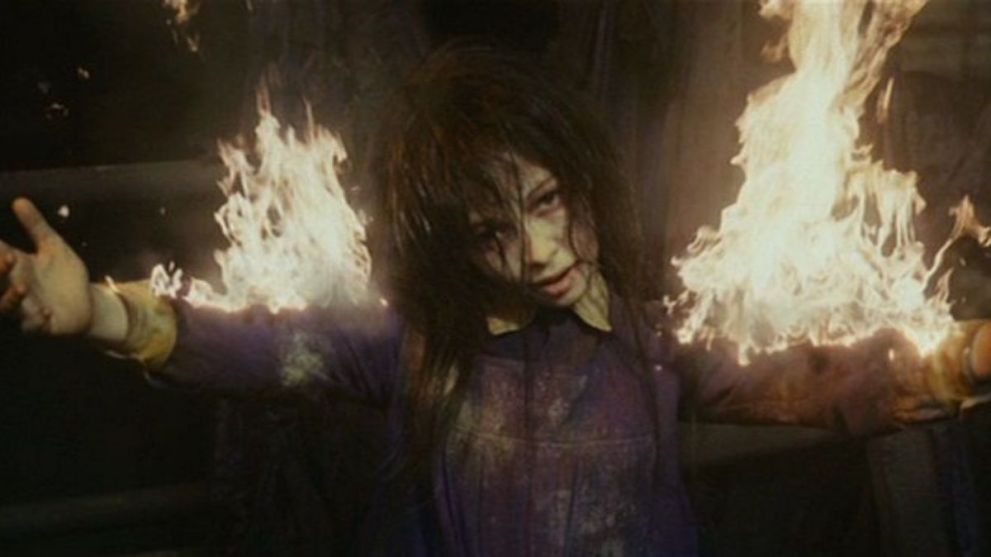
I still remember seeing the first trailers for this and being blown away by how much it looked like the 1999 game. Director Christophe Gans had a healthy budget of 50 million dollars to bring Alessa Gillespie to life, and he chose to film in places like Brantford and Hamilton, Ontario. I found it really cool that they used the Scottish Rite Club in Hamilton as the exterior for the church and the Toluca County Orphanage.
The story follows Rose Da Silva as she searches for her daughter Sharon. In my experience, this film captures the atmosphere better than almost any other game adaptation. It takes some big swings, like changing the protagonist from Harry Mason to Rose to lean into the maternal themes, but it works. I also love that they used professional dancers and contortionists for the monsters instead of relying on cheap digital effects. It gives the creatures a frighteningly human quality that stays with you.
Silent Hill: Revelation (2012)
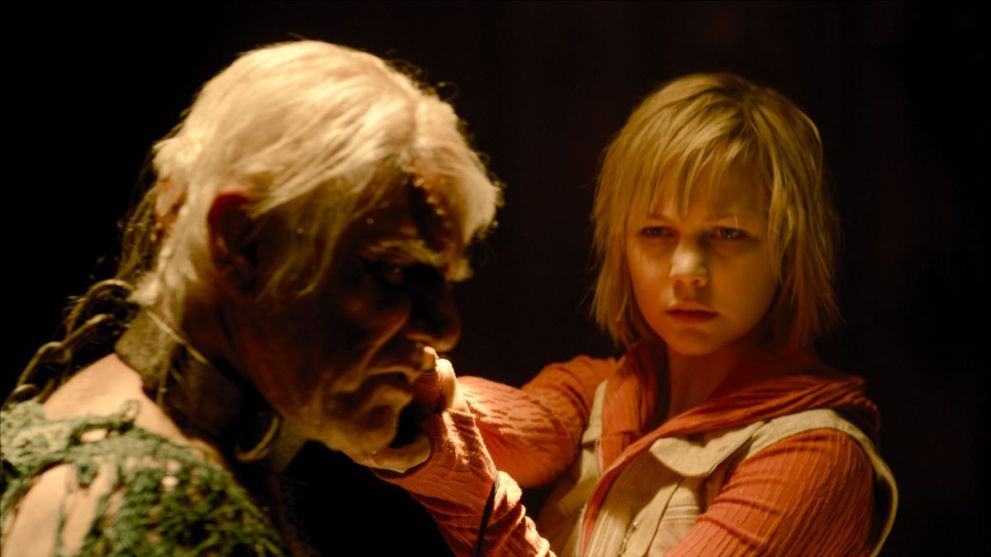
This one is a bit of a mess, and I am not alone in that opinion. It was the only film not directed by Gans, and it tried to cram the incredibly deep plot of the third game into a 95 minute runtime. It follows Heather Mason on her 18th birthday as she discovers her connection to the town and the cult known as the Order.
While it has a great cast with people like Sean Bean and Malcolm McDowell, it feels more like an action movie than a psychological horror film. If you have grown bored with conventional horror, the imagery is still decent, but I usually tell my friends to watch this one with their expectations set a bit lower. It was a domestic flop, but it managed to make back its 20 million dollar budget through international sales.
Return to Silent Hill (2026)
This is the one I have been most excited about. Gans is back in the director chair, and he has adapted what many of us consider the best game in the series: Silent Hill 2. It follows James Sunderland, one of the best protagonists, as he goes back to the town after receiving a letter from his dead wife, Mary.
The film introduces something called the Loop Theory, which suggests that James is stuck in a recursive cycle of memory and guilt. This mirrors the Bliss ending that was exclusive to the 2024 game remake. I caught a scene in the hospital involving a tape recorder that was not in the 2001 original game but was a huge part of the 2024 version, showing just how much the movie leans into modern game lore.
The Economic Secrets of the Fog
I dug into the financial data for these films because the industry has changed so much since the first one came out. The 2026 movie had a much tighter production budget of 23 million dollars, which is about a third of the first film’s cost when you adjust for inflation.
- The 2026 film almost doubled its investment before it even hit theaters by using a Minimum Guarantee model.
- Cineverse paid 3.5 million dollars upfront for the U.S. rights and spent very little on marketing.
- China saved the franchise by giving the 2026 movie a 9.3 million dollar opening weekend after it struggled in the U.S.
- Merchandise sales for the whole franchise have actually reached over 19 billion dollars, meaning the movies are really just high end marketing for the toys and games.
Deep Lore: From White Claudia to Hakkokusou
One thing I think other guides miss is the chemical history of the town. If you have been keeping up with the games and played them in order, you know there is a massive connection between the plants in the games.
In the original films and games, the cult used a plant called White Claudia to make a drug called PTV. However, the newest game lore tells us this plant is actually called Hakkokusou in Japan. It was brought over from the West in the 1770s by a naturalist named Carl Peter Thunberg. These seeds were ground into red capsules called Kakura-Makakura. I found it fascinating that the 2026 movie links Mary’s illness to being drugged by the cult using these same substances. It connects the 1960s Japan setting of the new game directly to the cinematic town.
Graphics and the PS5 Pro Connection
Since the 2026 movie is so tied to the visual style of the 2024 remake, I have been looking at the tech that powers them both. On March 17, 2026, a PS5 system update brought PSSR 2.0 (PlayStation Spectral Super Resolution) to the games.
- The v1.06 patch for the remake finally fixed the shimmering reflections in the puddles around South Vale.
- That same patch restored the breathing skin walls during the Abstract Daddy boss fight because fans complained they were missing.
- The 2026 movie uses visual effects that specifically mimic the Unreal Engine 5 Lumen lighting used in the games.
- You can see this in the reddish tones of the Otherworld, which look almost identical to how the game renders on a PS5 Pro.
Real World Locations and Spatial Data
I have always been a fan of the geographic trivia for this series. While many people think the games are based on Centralia, Pennsylvania, that is only true for the movies. The games are actually set in Maine and are heavily influenced by Stephen King novels like The Mist.
The town in the 1999 game was mapped out at exactly 1,900 meters by 2,181 meters. The 2024 remake actually doubled that size, which is why your playtime usually jumps from 8 hours to about 15. If you ever find yourself in Ontario, you can actually visit the spots where they filmed the first movie. Colborne Street in Brantford was used for the main street, and Sewells Road Bridge in Scarborough is the exact girder bridge Rose crosses to enter the town. I hope this helps you get the most out of your next trip into the fog.








Updated: Apr 9, 2026 01:01 pm